عندما تظل أنشطة التهديدات الداخلية خفية
كان التحدي الأساسي الذي واجهته المؤسسة هو محدودية الرؤية داخل الشبكة. ورغم أن أدوات الأمان الحالية أدوات حماية الحدود الخارجية، إلا أنها لم توفر سوى رؤية محدودة للاتصالات الداخلية عبر أنظمة التكنولوجيا التشغيلية وأنظمة المؤسسة والبيئات المرتبطة بشبكة الكهرباء. وأدى ذلك إلى وجود ثلاث ثغرات تشغيلية في مركز عمليات الأمن (SOC)، مما زاد من المخاطر وأبطأ من سرعة الاستجابة.
1. كان من الصعب مراقبة حركة المرور بين الشرق والغرب عبر OT و IT
تُنتج أنظمة التحكم والأجهزة الصناعية ومنصات المراقبة اتصالات داخلية مستمرة، يبدو معظمها روتينيًا. وفي هذه البيئة، أدوات المراقبة التقليدية أدوات الرؤية اللازمة للتمييز بين حركة المرور التشغيلية المشروعة والحركة الداخلية المشبوهة. ونتيجة لذلك، كانت قدرة مركز عمليات الأمن (SOC) محدودة على رصد الأنشطة الجانبية داخل شرائح تكنولوجيا التشغيل (OT) أو عبر الحدود الفاصلة بين الشبكات التشغيلية وشبكات المؤسسة.
2. اعتمد مركز العمليات الأمنية (SOC) على المؤشرات المتأخرة لتحديد التهديدات
في غياب الرؤية المستمرة على مستوى الشبكة، كان المحللون يضطرون في كثير من الأحيان إلى الاعتماد على تنبيهات نقاط النهاية أو السلوك غير الطبيعي للنظام للكشف عن الأنشطة المشبوهة. وعادةً ما كانت هذه المؤشرات تظهر في مرحلة متأخرة من دورة حياة الهجوم، بعد أن يكون المهاجم قد تمكن بالفعل من إرساء موطئ قدم له وبدأ في الانتقال عبر الأنظمة الداخلية. وقد أدى ذلك إلى إضعاف قدرة الفريق على الكشف المبكر عن التهديدات والتصرف قبل أن تتفاقم المخاطر.
3. بدأت التحقيقات في ظل سياق غير مكتمل
ونظرًا لعدم ظهور أنشطة التهديدات الداخلية بوضوح على مستوى طبقة الشبكة، اضطر مركز العمليات الأمنية (SOC) إلى إعادة بناء صورة الحوادث استنادًا إلى أدلة جزئية مستقاة من أدوات متعددة. وقد أدى ذلك إلى إبطاء عملية تحليل الأسباب الجذرية، وجعل من الصعب فهم نطاق الحادث المحتمل بسرعة. وفي بيئة البنية التحتية الحيوية، أدى هذا النقص في السياق إلى زيادة الضغط التشغيلي وتقليل الثقة في قرارات الاستجابة المبكرة.
ما احتاجته المنظمة لسد الفجوة
لم تكن المنظمة بحاجة إلى مجرد مراقبة إضافية فحسب، بل كانت بحاجة إلى قدرة على الكشف مصممة خصيصًا للبيئات المعقدة والمختلطة بين تكنولوجيا التشغيل (OT) وتكنولوجيا المعلومات (IT)، حيث تُصمم أنشطة التهديدات بحيث تندمج مع البيئة المحيطة.
رؤية مستمرة للشبكة الداخلية
كان الشرط الأساسي هو القدرة على مراقبة حركة المرور بين الخادم والعميل عبر بيئات OT والشبكات وأنظمة المؤسسات في آن واحد ضمن منصة واحدة، بما في ذلك إمكانية الاطلاع على تحليلات حركة المرور المشفرة دون الحاجة إلى فك التشفير.
نظام كشف سلوكي قادر على تحديد الحالات الشاذة الطفيفة
أدوات ثبت بالفعل أدوات القائمة على التوقيعات غير كافية. فقد احتاجت المؤسسة إلى حلول تحليلية قادرة على تحليل سلوك الشبكة بشكل مستمر عبر بيئات مختلطة من تكنولوجيا التشغيل (OT) وتكنولوجيا المعلومات (IT)، وكشف الانحرافات التي تشير إلى الحركة الجانبية وأنشطة القيادة والتحكم، حتى في الحالات التي تحاكي فيها تلك الأنشطة حركة مرور تشغيلية مشروعة.
قدرة على كشف الشبكات تمكنت من تحديد التهديدات في مرحلة مبكرة من دورة حياة الهجوم
كان مركز عمليات الأمن (SOC) بحاجة إلى التخلص من الاعتماد على التنبيهات المتأخرة الصادرة من نقاط النهاية. وقد استلزم ذلك حلاً قادراً على تحليل أنماط حركة المرور الداخلية وكشف السلوك غير الطبيعي للشبكة قبل أن يصل إلى مرحلة التأثير الملحوظ على النظام.
استبدلت المعلومات الاستخباراتية للشبكة حالة عدم اليقين بالوضوح
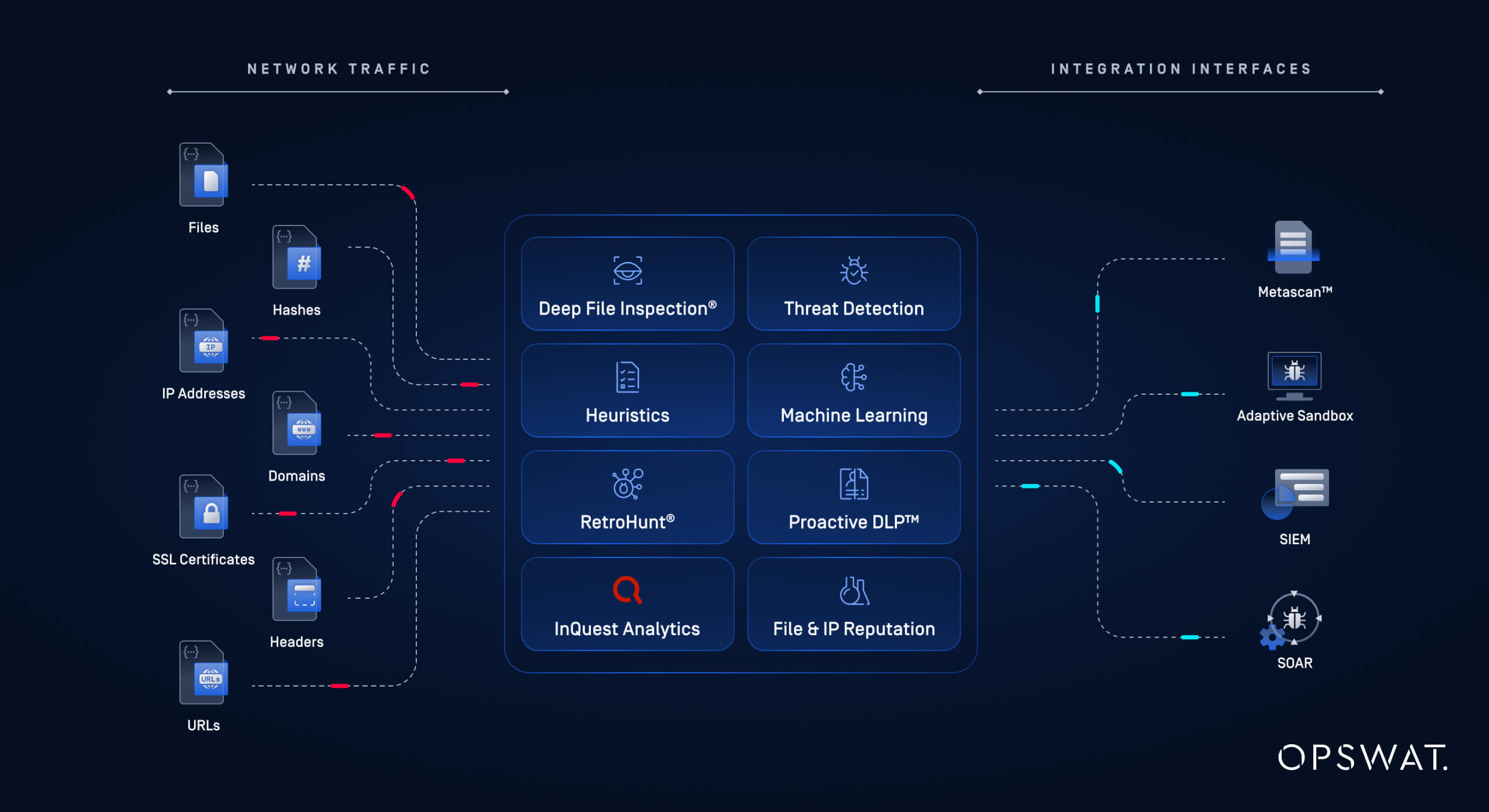
كانت المؤسسة بحاجة إلى قدرة مخصصة لاكتشاف الشبكات من أجل سد الثغرات في الرؤية التي لم أدوات التقليدية أدوات معالجتها. وقام مركز العمليات الأمنية (SOC) بنشر MetaDefender NDR رؤية موحدة وشبه فورية للاتصالات الداخلية.
وقد تضمن هذا النشر تركيب أجهزة استشعار في نقاط التجميع الرئيسية للشبكة عبر البنية التحتية للتشغيل (OT) وشبكات التحكم وقطاعات المؤسسة. ولأول مرة، تمكن المحللون من مراقبة الاتصالات بين أنظمة التحكم والمحطات الفرعية ومنصات المؤسسة من خلال عرض موحد. وأصبحت الأنشطة داخل الشبكة، التي كانت في السابق غير مرئية، جزءًا من صورة الكشف.
عملت المنصة على ثلاث جبهات في آن واحد:
- تم تشغيل تحليلات السلوك، مقترنةً بمعلومات استخباراتية متكاملة عن التهديدات وكشف الانحرافات المدعوم بالذكاء الاصطناعي، بشكل مستمر على بيانات القياس عن بُعد الحية للشبكة، مما أدى إلى تحديد الأنماط المرتبطة بالتحرك الجانبي، وإرسال الإشارات، واتصالات القيادة والتحكم
- تم تعزيز التنبيهات بمعلومات سياقية من خلال MetaDefender ، مما يتيح إجراء التقييم الأولي بشكل أسرع دون الحاجة إلى المقارنة اليدوية عبر أدوات
- تم دمج النتائج المستخلصة على مستوى الشبكة مباشرةً في سير عمل مركز عمليات الأمن (SOC) الحالي، مما أدى إلى استبدال عملية ربط التنبيهات المجزأة عبر أنظمة متعددة بنظرة تحقيق موحدة
كان التحول التشغيلي فوريًا.NDR MetaDefender NDR بيانات قياس عن بُعد مفصلة للشبكة ومعلومات استخباراتية سياقية، مما مكن المحللين من بدء التحقيقات انطلاقًا من رؤية أكثر شمولية على مستوى الشبكة لنشاط المهاجمين، بدلاً من الاعتماد على مجموعة مجزأة من تنبيهات نقاط النهاية. وبفضل المعلومات الاستخباراتية الموحدة حول التهديدات وسير عمل التحقيقات المدعومة بالذكاء الاصطناعي، أصبح من الممكن تحديد نطاق أي حادث محتمل بشكل أسرع وبثقة أكبر.
تمكنت لجنة المراقبة من الحصول على المعلومات اللازمة لاتخاذ الإجراءات في وقت مبكر
NDR MetaDefender NDR تحسناً واضحاً في مجالات الرؤية والكشف وسير عمل التحقيقات. وأصبحت التهديدات التي لم تكن تُكتشف في السابق تظهر الآن في مرحلة مبكرة من دورة حياة الهجوم. وأصبح بإمكان المحللين اكتشاف التهديدات في وقت أبكر، وإجراء التحقيقات بسرعة أكبر، والاستجابة بثقة أكبر.
الرؤية الشبكية: أصبح من الممكن لأول مرة مراقبة شرائح شبكات التكنولوجيا التشغيلية وشبكات التحكم وأنظمة المؤسسات في آن واحد. وأصبح من الممكن الآن تحديد أنشطة المهاجمين التي كانت تمر دون أن يُكتشف أمرها في السابق فور حدوثها.
الكشف عن التهديدات: ساعدت تحليلات السلوك والكشف عن الحالات الشاذة المدعوم بالذكاء الاصطناعي في تحديد أنماط حركة المرور المشبوهة قبل وصولها إلى طبقة النقاط الطرفية. وتم الإبلاغ عن الحركات الجانبية واتصالات القيادة والتحكم استنادًا إلى الانحرافات السلوكية، وليس فقط بناءً على التوقيعات المعروفة.
الجداول الزمنية للتحقيق: لم يعد محللو مركز العمليات الأمنية (SOC) بحاجة إلى إعادة تحديد نطاق الحادث استنادًا إلى تنبيهات متفرقة من أجهزة المستخدمين النهائيين. فقد وفرت بيانات القياس عن بُعد على مستوى الشبكة رؤية شاملة لنشاط المهاجمين، مما سمح بتحليل أسباب الحادث بشكل أسرع واتخاذ قرارات احتواء أكثر ثقة.
حماية البنية التحتية: بفضل الرؤية الشاملة للاتصالات عبر الشبكات التشغيلية، يمكن لمركز عمليات الأمن (SOC) تحديد التهديدات التي تستهدف أنظمة التحكم والتصدي لها قبل أن تصل إلى منصات إدارة الشبكة أو تعطل عمليات توليد الطاقة.
النتائج التي حققتها منصةMetaDefender NDR المجالات الرئيسية
| نطاق التأثير | النتيجة |
|---|---|
| رؤية الشبكة | رؤية موحدة تشمل شبكات التشغيل وشبكات التحكم وأنظمة المؤسسة |
| سرعة الكشف عن التهديدات | الكشف المبكر عن الحركة الجانبية وحركة المرور المشبوهة |
| كفاءة التحقيق | تحليل أسرع للأسباب الجذرية مع سياق كامل على مستوى الشبكة |
| حماية البنية التحتية | تعزيز حماية عمليات الشبكة وأنظمة التحكم |
| الاستجابة للحوادث | استجابة أكثر تنسيقًا بين فرق الأمن في قطاع الطاقة |
| الاستعداد للامتثال | مراقبة مستمرة تتماشى مع معايير أمن البنية التحتية الحيوية |
تعزيز قدرات الدفاع السيبراني للبنية التحتية الحيوية
إن حماية البنى التحتية لقطاعي الطاقة والمرافق العامة تتطلب أكثر من مجرد حماية الحدود الخارجية أو أمن النقاط الطرفية. ومن خلال نشر نظام مراقبة شبكي مستمر في بيئات التكنولوجيا التشغيلية (OT) وبيئات المؤسسة، حصل مركز عمليات الأمن (SOC) التابع للمؤسسة على المعلومات الاستخباراتية اللازمة لاكتشاف أنشطة المهاجمين في وقت مبكر، والتحقيق في الحوادث بسرعة أكبر، والاستجابة قبل أن تتمكن التهديدات من تعطيل الخدمات الطاقة الخدمات أنظمة البنية التحتية الحيوية.
والنتيجة هي عملية أمنية لم تعد تعتمد على المؤشرات المتأخرة للكشف عن التهديدات الداخلية. فقد أصبحت "ذكاء الشبكة" الآن قدرة أساسية، وأصبح مركز العمليات الأمنية (SOC) في وضع يتيح له الدفاع عن البنية التحتية التي يحميها بثقة أكبر بكثير.
احمِ البنية التحتية للطاقة لديك من خلال الرؤية المتقدمة للشبكة والكشف عن التهديدات السلوكية. اكتشف ماNDR يقدمه MetaDefender NDR لمركز عمليات الأمن (SOC) الخاص بك.