التواصل البصري واللفظي جزء لا يتجزأ من الطبيعة البشرية. وعلى مر التاريخ، لعب هذان النوعان من التواصل دورًا حاسمًا في البقاء على قيد الحياة والتنسيق وتبادل المعرفة.
تخدم الاتصالات الحديثة الغرض الأساسي نفسه، حيث تتيح للبشرية العمل كشبكة متصلة عالمياً.
الخدمات الاتصالات الموثوقة الخدمات حسن سير عمل النظم الاقتصادية، والاستجابة لحالات الطوارئ، ومؤسسات الصحة العامة، ومنظمات الأمن القومي. وتعتمد معظم القطاعات الحيوية، بما في ذلك القطاع المالي وقطاع النقل والقطاع الحكومي، على اتصال مستقر.
إذن، ماذا يحدث إذا الخدمات الاتصالات عقب وقوع خرق خطير؟
الكثير:
- سرقة الهوية على نطاق واسع، حيث يمكن أن تتعرض بيانات الأشخاص للسرقة؛ كما حدث فيهجوم"أوديدو" عام 20261.
- أضرار اقتصادية جسيمة، حيث خسرت المملكة المتحدة وحدها ما بين 55 و57 مليار دولار منالعائدات² جراء الهجمات الإلكترونية بين عامي 2020 و2025.
- مشاكل تهدد الحياة والسلامة العامة، حيث يعجز الناس عن الاتصال الخدمات الطوارئ الخدمات تفقد فرق الاستجابة الأولية قدرتها على التنسيق.
لحسن الحظ، لم يسبق أن وقع هجوم بهذا الحجم؛ لكن الخطر ما زال قائماً. ففي الاتحاد الأوروبي وحده، شهدت حوادث أمن الاتصالات ارتفاعاً بنسبة 20% في عام 2024 مقارنة بعام 2023، وفقاً لوكالة الاتحاد الأوروبي للأمن السيبراني (ENISA). ولا تثبت هذه الزيادة أن المهاجمين يحاولون تعطيل الخدمات الاتصالات فحسب، بل إنها تشير أيضاً إلى تزايد عزمهم.
تأخذ شركات الاتصالات هذا التهديد على محمل الجد، مدركةً أنه كلما كبر حجمها، زاد حجم الضرر الناجم عن أي فشل قد تتعرض له.
ومن الأمثلة على ذلك عميلنا، وهو مزود خدمات اتصالات ضخم له حضور عالمي وشبكة اتصالات واسعة النطاق تدعم ملايين المشتركين. وقد قاموا بالفعل بتطبيق إجراءات أمنية قوية لحماية الحدود الخارجية للشبكة وحماية الشبكة نفسها. ومع ذلك، في حال تمكن مهاجم من اختراق بنيتهم التحتية، لم تكن هناك أي وسيلة للكشف عن تحركاته داخل الشبكة.
كان هذا نقطة ضعف لم يستطع العميل التغاضي عنها. وللتغلب عليها، قاموا بنشرNDR واستفادوا من قدراته في الكشف عن التهديدات وتحليل السلوكيات المدعومة بالذكاء الاصطناعي، مما أتاح لفرق مركز عمليات الأمن (SOC) لديهم رؤية أعمق للشبكة.
وإليكم كيف جرت الأحداث.
أدى الاعتماد على المؤشرات المتأخرة في الكشف عن تهديدات الشبكة إلى تأخر الاستجابة
كان العميل يعمل في بيئة تقنية معقدة، تتألف من بنية تحتية على مستوى شركات الاتصالات، وأنظمة تشغيل الشبكات، ومراكز البيانات، الخدمات السحابية، وشبكات الاتصالات الموزعة. وقد نتج عن هذا النظام البيئي أحجام هائلة من حركة المرور الداخلية، مما جعل أدوات المراقبة التقليدية أدوات تحديد الأنشطة غير الطبيعية.
لم تكن فرق مراقبة الأمن (SOC) تتمتع برؤية كافية للاتصالات بين الشرق والغرب عبر أنظمة الشبكة الأساسية ومراكز البيانات ومنصات الخدمات، مما اضطرها إلى الاعتماد على مؤشرات متأخرة، مثل تنبيهات نقاط النهاية أو السلوك غير الطبيعي للنظام، للكشف عن الأنشطة المشبوهة.
وبحلول الوقت الذي تتمكن فيه هذه الفرق من اكتشاف عمليات الاختراق، قد يكون التهديد قد انتشر بالفعل بشكل أفقي، منتقلاً من المناطق ذات الأهمية المنخفضة إلى الأنظمة الحيوية، مما يتيح تسريب البيانات أو تعطيل الخدمات أو الاستيلاء الكامل على النظام.
كيفNDR OPSWAT MetaDefender NDR حل ثلاث Core
قام عميلنا بنشر MetaDefender NDR شبكته، مستفيدًا منه في تحديد الأنشطة المشبوهة داخل تدفق حركة المرور والقضاء عليها.
MetaDefender NDR
NDR MetaDefender NDR بيانات القياس عن بُعد للشبكة للكشف عن عمليات القيادة والتحكم التي ترتبط عادةً بالهجمات الإلكترونية. ويستخدم نماذج الكشف المدعومة بالذكاء الاصطناعي، ويحدد أنماط حركة المرور غير الطبيعية، ويكشف عن الحركة الجانبية بين الأنظمة.
باختصار،NDR MetaDefender NDR عن المؤشرات التي تدل على نشاط المهاجمين في المراحل المبكرة من دورة حياة الهجوم.
كان الهدف من عملية النشر بأكملها هو معالجة ثلاث ثغرات أمنية أساسية، وإصلاحها في أثناء ذلك.
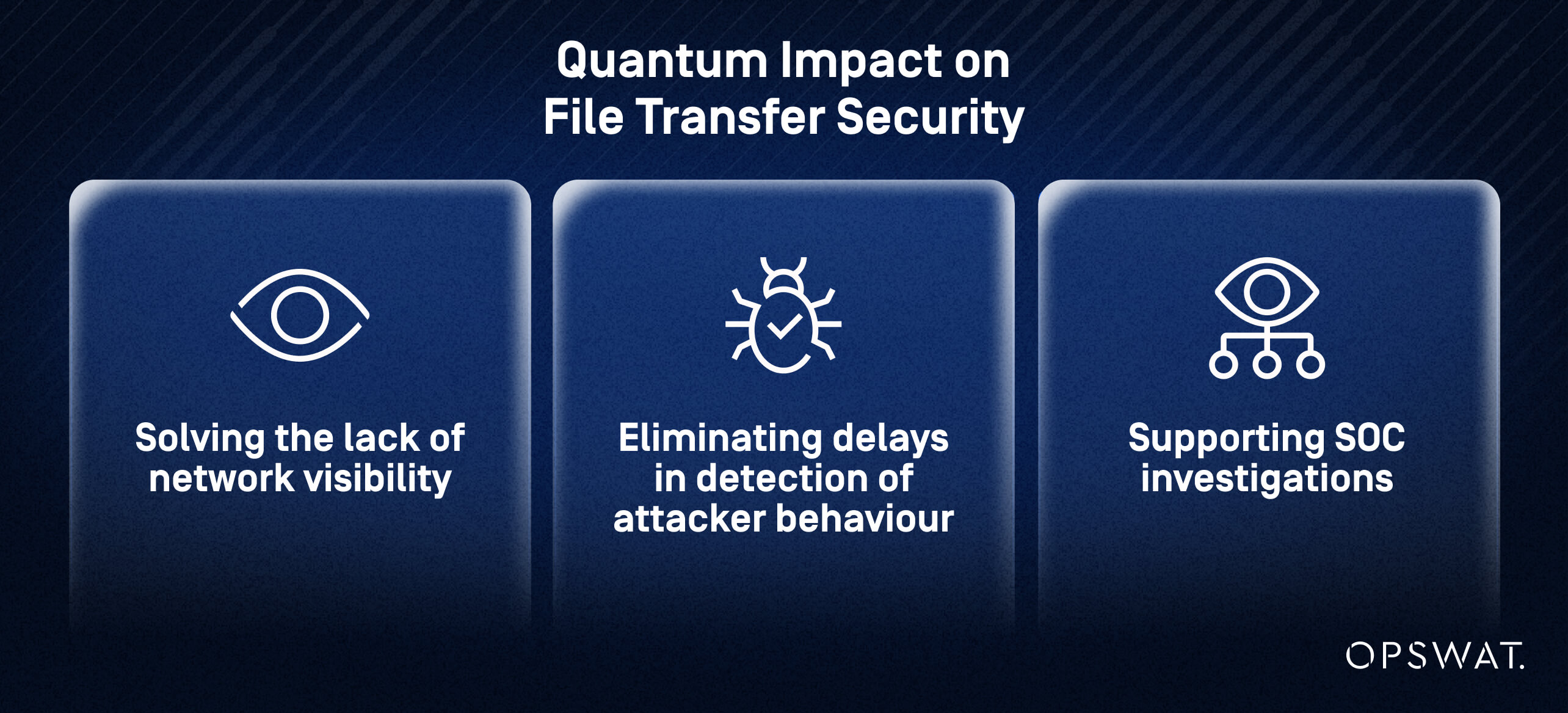
معالجة مشكلة نقص الرؤية في الشبكة
وبفضل تركيب مستشعر جديد في نقاط التجميع الحيوية للشبكة، تمكنت فرق مركز عمليات الأمن (SOC) من الحصول على رؤية موحدة لنشاط الشبكة، حيث تمكنت من مراقبة جميع الاتصالات بين أنظمة الشبكة الأساسية، الخدمات المشتركين، والبنية التحتية السحابية، والاتصالات الخارجية.
القضاء على التأخير في الكشف عن سلوك المهاجمين
أصبحت أنماط الاتصال التي كانت عادةً أصعب في الكشف عنها واضحة تمامًا الآن بفضل تحليلات السلوك. وقد مكنت هذه التحليلات، إلى جانب المعلومات الاستخباراتية المتكاملة حول التهديدات والكشف عن الحالات الشاذة المدعوم بالذكاء الاصطناعي، فريق مركز عمليات الأمن (SOC) من الكشف عن الأنشطة المشبوهة داخل الشبكة.
دعم تحقيقات مركز العمليات الأمنية (SOC)
في السابق، كان على المحللين ربط التنبيهات المتفرقة عبر أنظمة متعددة. ومعNDR MetaDefender NDR بإمكان فرق مركز العمليات الأمنية (SOC) التحقيق بسرعة في الأنشطة المشبوهة، باستخدام رؤية شاملة على مستوى الشبكة للتهديدات المحتملة.
رؤية شاملة، وكشف أسرع للتهديدات، واستجابة أفضل للحوادث، والاستعداد للامتثال
| نطاق التأثير | نتيجة قابلة للقياس |
|---|---|
| رؤية الشبكة | رؤية واضحة وشاملة للاتصالات عبر الشبكات. |
| سرعة الكشف عن التهديدات | الكشف المبكر عن الأنشطة المشبوهة والتحركات الجانبية. |
| كفاءة التحقيق | تحليل أسرع للأسباب الجذرية لمحللي مركز عمليات الأمن (SOC). |
| حماية الخدمة | توفير حماية أقوى الخدمات الاتصالات والبنية التحتية للشبكات. |
| الاستجابة للحوادث | تحسين التنسيق بين فرق العمليات الأمنية. |
| الاستعداد للامتثال | مواءمة قدرات الرصد مع معايير الأمن السيبراني الصناعي. |
تأمين القطاع الذي يربط العالم الرقمي
إذا تعطلت وسائل الاتصال وانقطع الاتصال بالعالم الخارجي، فقد تحدث أمور خطيرة كثيرة في الخفاء. ولم يرغب عميلنا في المجازفة ليصبح السبب وراء حدوث تلك الأمور.
وبدلاً من الحد من التعرض للمخاطر، اختارت المؤسسة تمكين فرقها من اكتشاف الأنشطة المشبوهة في مرحلة مبكرة، من خلال رؤية واضحة ومستمرة لأنشطة الشبكة.
بفضلNDR مكان فرق مركز العمليات الأمنية (SOC) الآن اكتشاف عمليات الاختراق في الوقت الفعلي وصد الهجمات قبل أن تؤثر على العمليات أو العملاء مع إعادة التحقيق في الحوادث وإعادة بناء تسلسل زمني للهجمات من خلال ميزات تعقب التهديدات والتحليل الجنائي.
إذا كانت هذه القصة تثير لديك شعوراً بالقلق، فاتصل بنا لتتعرف على كيفيةNDR MetaDefender NDR في البنية التحتية لشركتك.